Short Film · Rural survival thriller
Bestiary
2025 · 25 min
Short Film · Rural survival thriller
Bestiary
2025 · 25 min
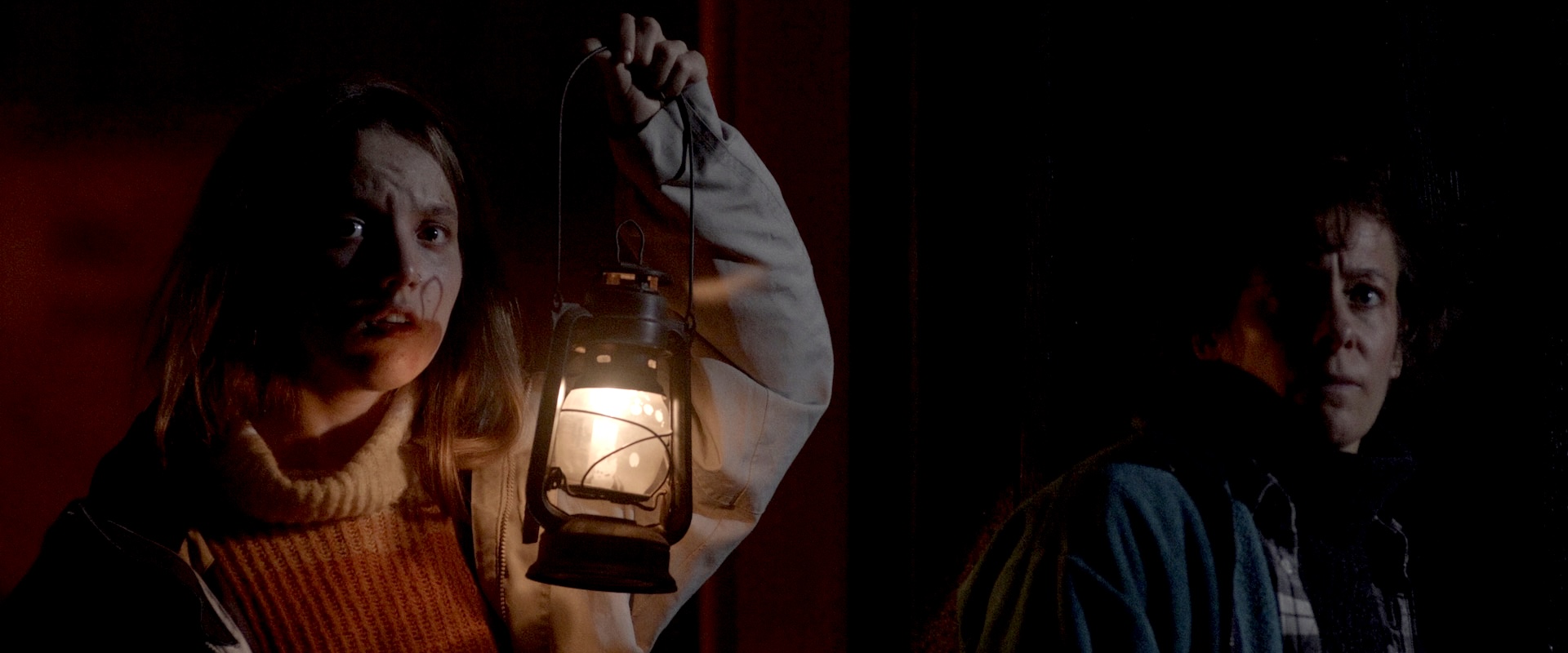
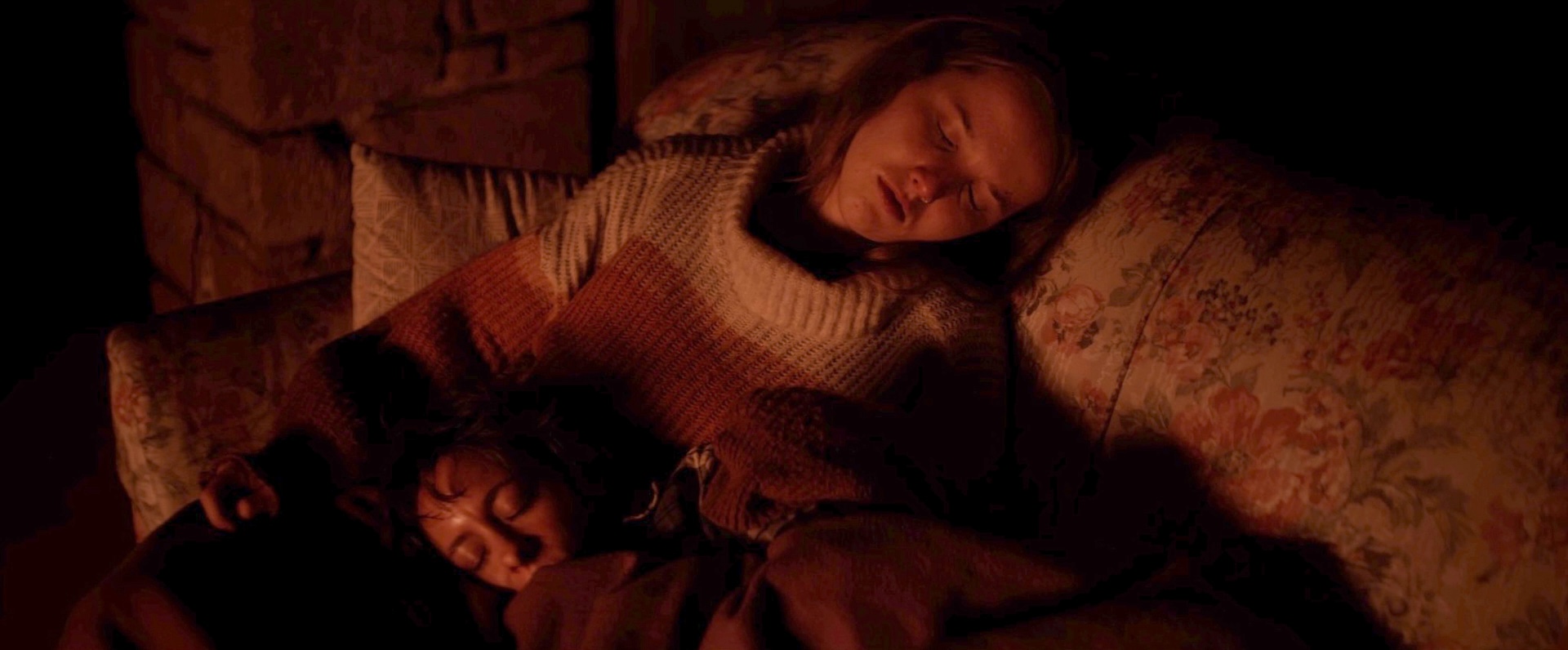
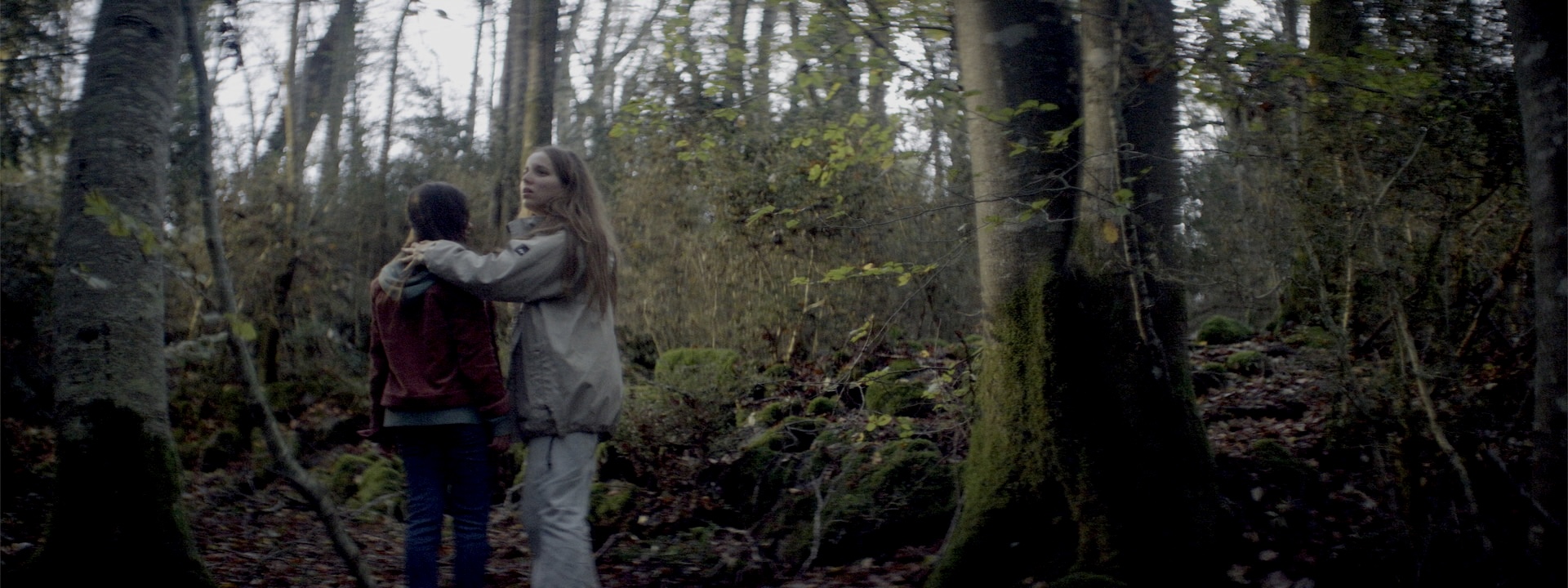
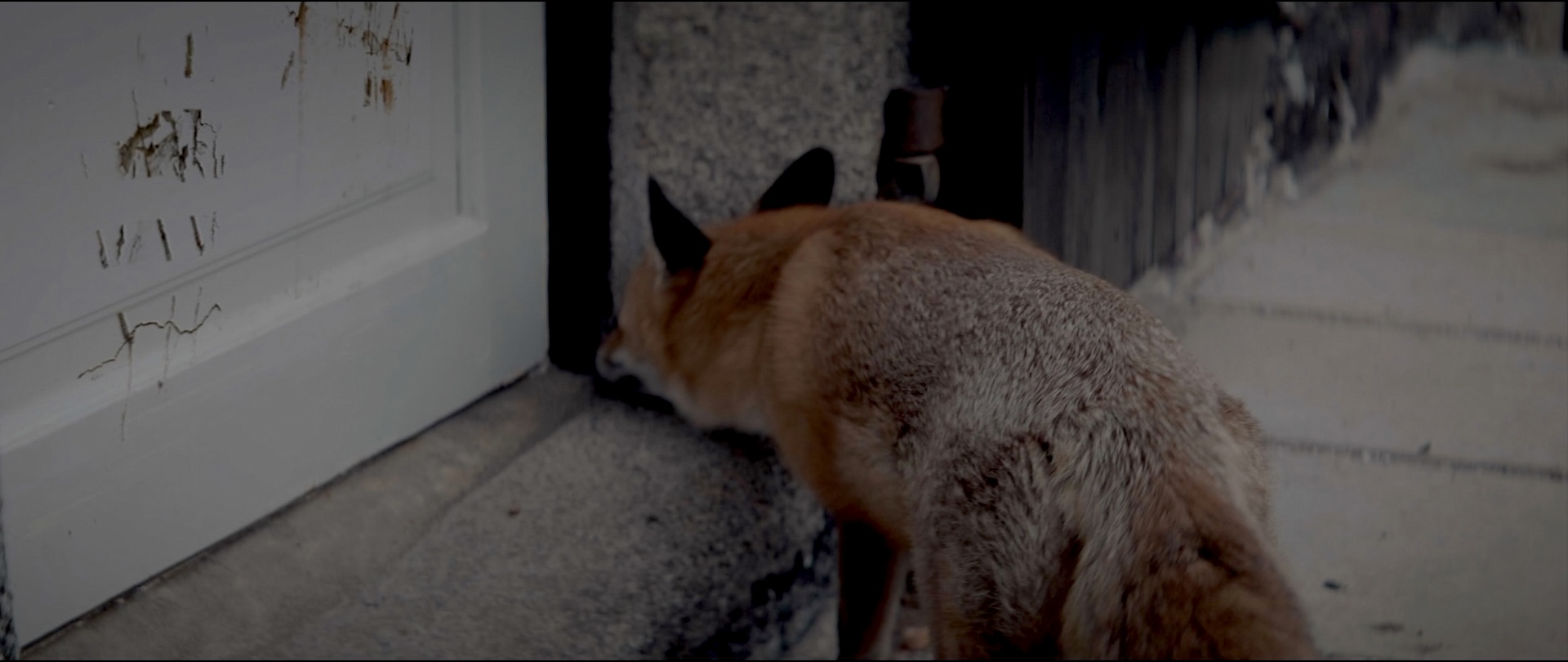
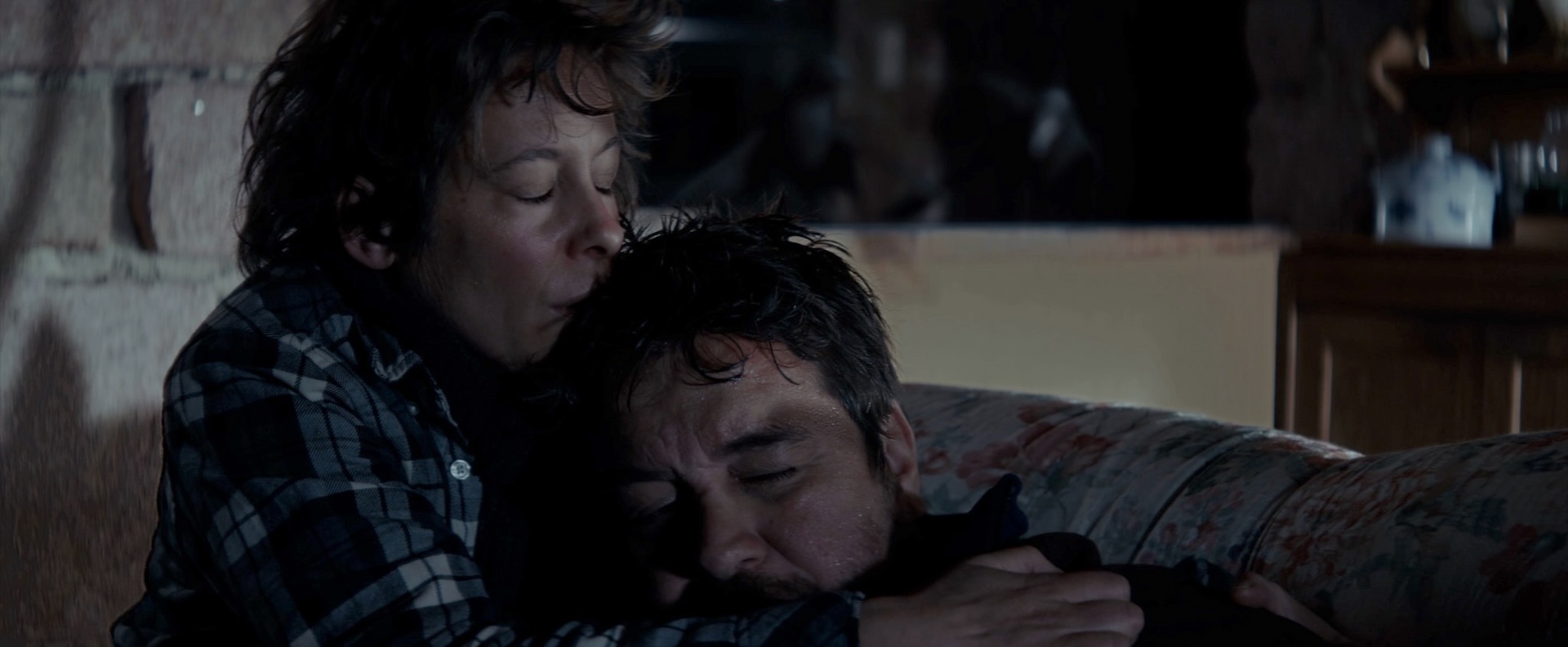
Sylvie, a mechanic, raises Léa alone — a rebellious teenager. During a freezing autumn, animal behaviour suddenly changes: nature revolts. In their isolated house at the edge of the forest, mother and daughter will have only each other to rely on…
Awards
- Best environmental short film — Genoa International Film Festival, Genoa, Italy, 2026
- Best Thriller — Last Hope International Film Festival (LHIFF), Da Nang, Vietnam, 2026
- Best Director — Last Hope International Film Festival (LHIFF), Da Nang, Vietnam, 2026
- Best Actress — Marie Nicolle, Last Hope International Film Festival (LHIFF), Da Nang, Vietnam, 2026
- Best Picture — Continuum Showcase, Ithaca, NY, United States, 2026
- Best Existential Film — Ghent International Film Week, Ghent, Belgium, 2026
- Tarkovski Grant — Ghent International Film Week, Ghent, Belgium, 2026
Selections
- Clermont-Ferrand International Short Film Festival, France, 2025
- Aguilar de Campoo Film Festival, Spain, 2025
- International Short Film Festival - Film Front, Novi Sad, Serbia, 2025
- Festival Cortos Rodinia, Valladolid, Spain, 2026
- Genoa International Film Festival, Genoa, Italy, 2026
- Ravenheart International Film Festival (RIFF), Oslo, Norway, 2026
- Last Hope International Film Festival (LHIFF), Da Nang, Vietnam, 2026
- Pollino Film Fest, Pollino National Park, Italy, 2026
- Continuum Showcase, Ithaca, NY, United States, 2026
- Noto International Film Festival, Italy, 2026
- BUT International Film Festival, Breda, Netherlands, 2026
- Corrosivo Film Fest, San José, Costa Rica, 2026
- Phantasmagoria Film Festival, Fargo, North Dakota, United States, 2026
- Ghent International Film Week, Ghent, Belgium, 2026
- FICICA Ciné à la Calle, Barranquilla, Colombia, 2026
- Ñaca Ñaca Film Festival, Toluca, Mexico, 2026
- Dark Nights Film Fest, Sydney, Australia, 2026
- Annual CPH Film Festival, Copenhagen, Denmark, 2026
- Horror Movie Freaks Film Fest, Walnut Cove, North Carolina, United States, 2026
- YAMI International Film Festival, Tokyo, Japan, 2026
- AGAINST THE FLOW International Film Festival, Sofia, Bulgaria, 2026
- SAGA WIFF – Gawler: Women's International Film Festival, Gawler, Australia, 2027
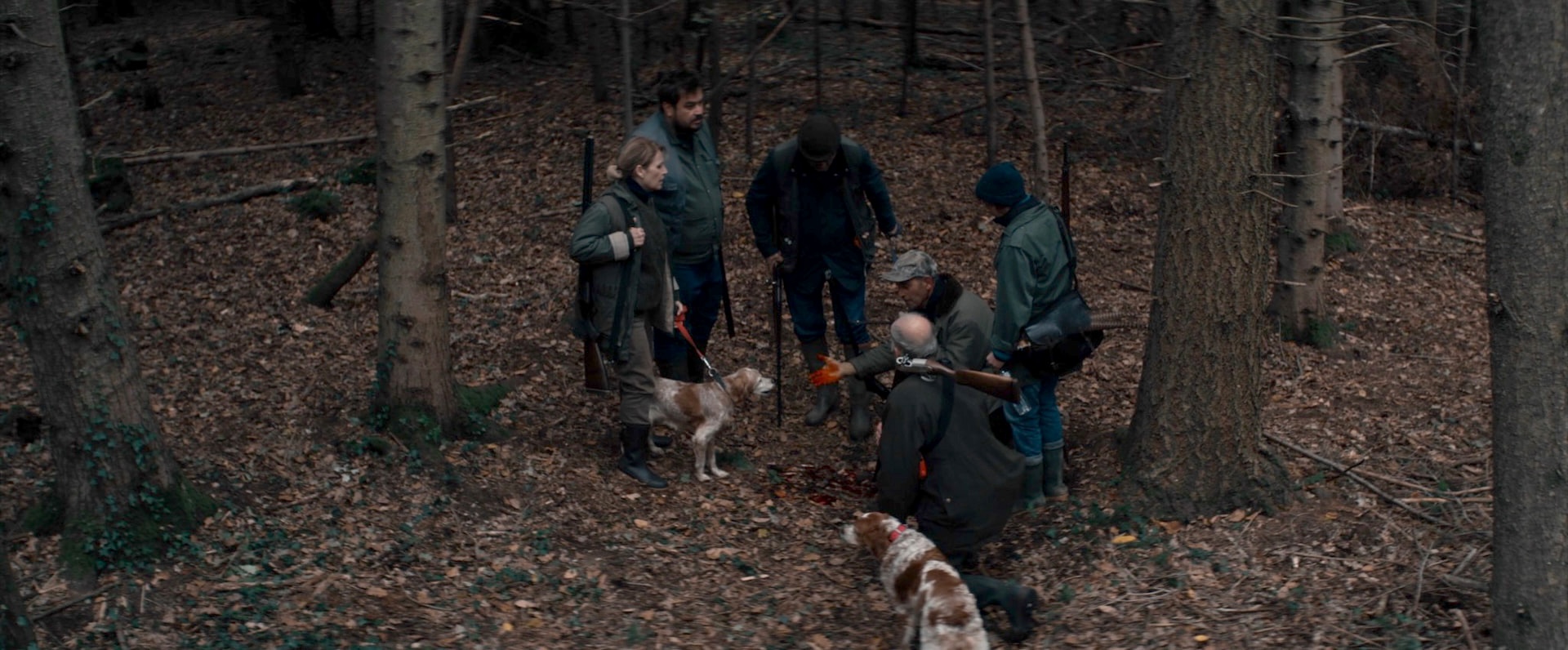
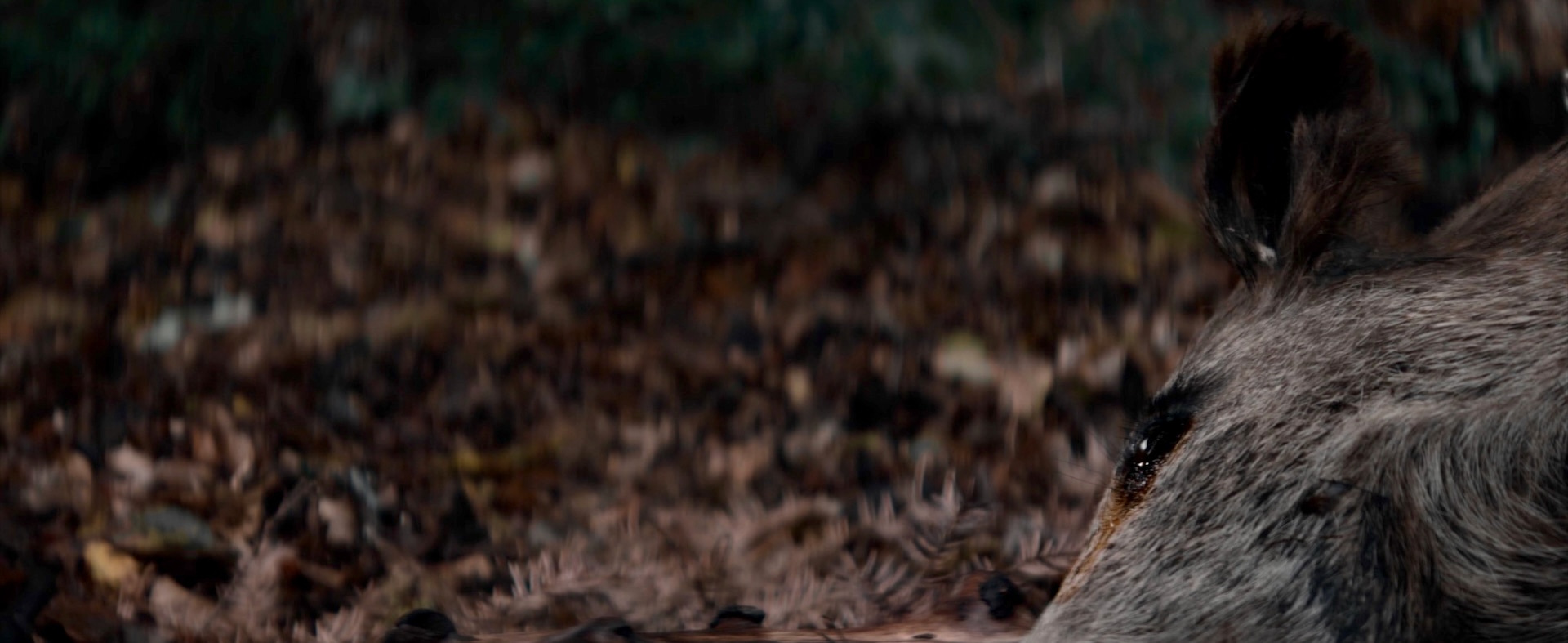
Fans of 1970s “animals attack” and “nature gets revenge” cinema, rejoice, for director Anne Zinn-Justin has unleashed Bestiary, a superb slice of modern ecohorror in which not even vegans are safe when the hunted become the hunters. Marie Nicolle as a hunter of wild boar and other game, and Marine Polski as her teen vegan daughter who opposes hunting give fine performances as their characters are pursued by all manner of forest creatures. Zinn-Justin, who cowrote the screenplay with Cécile Dubost, crafts a superb, chilling short that is thoroughly gripping.
— Joseph Perry, Scariest Things · ★★★★★
Bestiary traditionally refers to a medieval collection of descriptions of animals, both real and mythical. These books were never merely works of zoology. Instead, they used animals as symbols, attributing to each creature human qualities, moral lessons, or religious meanings. The film's title immediately frames what follows not as a story about animals, but as a philosophical parable dense with symbolism. We have grown accustomed to seeing ourselves as both a part of nature and nature's ultimate achievement and the planet's rulers. Bestiary invites us to imagine what might happen if those who cannot defend themselves finally found a way to fight back.
The film blends elements of mysticism, horror, and a social drama of generational conflict, while underneath it all, the film remains a philosophical parable. Its deliberate pacing, nearly monochromatic color palette, and carefully composed cinematography create a constant sense of unease. There is very little blood or explicit violence on screen, yet the tension emerges from the atmosphere, the silence, and the anticipation. The adults respond to everything they do not understand with violence, shooting first and attempting to eliminate the threat. Against this backdrop, the children stand apart, instinctively siding with the animals from the very beginning. They become a symbol of hope that the relationship between humanity and nature can still be reimagined.
The ending is direct yet powerful: if humanity refuses to reconsider its place in the natural world, nature may do it for us. At the same time, it is the children who leave us with the hope that this outcome is not inevitable. That hope keeps the film from becoming too didactic and gives it greater emotional and philosophical depth. In the end, Bestiary is more than a story about the conflict between humanity and nature. It is a cohesive artistic statement in which both the screenplay and the visual language serve the film's central idea with equal strength.
— Nailia Masharaeva
- Scariest Things — Joseph Perry, review of Bestiary, 11 October 2026
- Final Cut Magazine — Ghent International Film Week 2026 Awards Its Standout Films, 5 October 2026
- Broadcast on Ciné+ Frisson
| Production | Wombat Films |
| Producer | Quentin Daniel |
| Direction | Anne Zinn-Justin |
| Screenplay | Anne Zinn-Justin, Cécile Dubost |
| Cast | Marine Polski (Léa), Marie Nicolle (Sylvie), Augustin Boyer (Paco), Linda Antony (Inès) |
| 1st assistant director | Bérengère Archambault |
| 2nd assistant director | Maud Ducré |
| Continuity supervisor | Laurine Joyeux |
| Cinematographer | Michele Gurrieri |
| Sound | Ysaline Richonnier |
| Production designer | Thomas Arnaud |
| Costume designer | Stéphanie Pitiot |
| Make-up | Candice Carret |
| Animal trainer | Valérie Chavanon |
| Fox trainers | Juliette, Robin |
| Editing | Anne Zinn-Justin |
| Additional editing | Flore Guillet |
| Sound editing & mixing | Maxime Champesme |
| Additional sound | Hassan Ali |
| VFX supervisor | Sylvain Coisne |
| VFX artist | Antoine Aubin |
| Colour grading | Baptiste Courtois |
| Original score | Laetitia Pansanel-Garric |
| Musicians | Margaux Aubert-Charrier (viola), Loïc Mortimore (bassoon, serpent), Florent Gay (violin), Elvina Fredout (violin), Françoise Favard (cello) |
| Music sound engineer | Mathias Chaumet |
| Support | Région Auvergne-Rhône-Alpes / CNC · CNC Aide au programme d'entreprise · Procirep et Angoa · Musique enregistrée avec le soutien du Syndicat Mixte du Projet Chaise-Dieu, en association avec la DRAC Auvergne-Rhône-Alpes, la Région Auvergne-Rhône-Alpes, le Département de la Haute-Loire et la SACEM · En partenariat avec la Maison du Film |